Worth the Price?
Understand bag sizes, cost per brew and documented coffee differences before judging value.
What do you taste?
Choose a color or a flavor family below to explore.
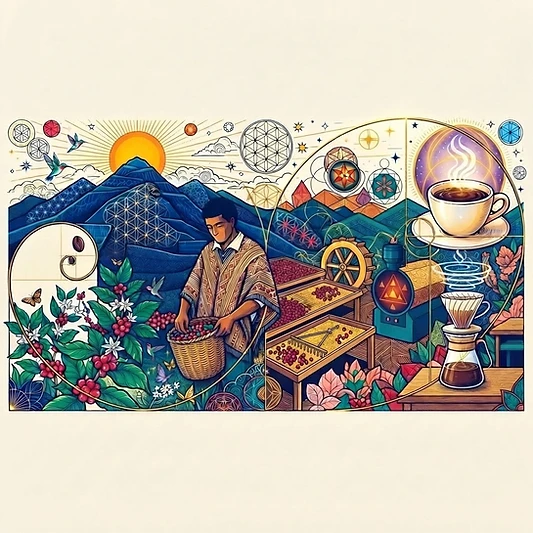
We document the coffee, trace its origins where verified, and explain what remains undisclosed. Original tasting reviews are clearly labeled when we have brewed the coffee ourselves.
Readers find the coffees we miss. Send us the name, a star rating, your review of under 200 words, and photos of the bag — front and back. We check every submission with a real person before anything is published.
Goes to Info@WhoMakesTheBestCoffee.com
Understand bag sizes, cost per brew and documented coffee differences before judging value.
Follow documented origins to farms and the people behind the coffee. A profile is distinct from an original interview.
Separate tasting vocabulary from processing claims, then explore coffee profiles and brewing methods.
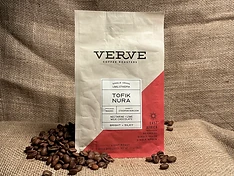
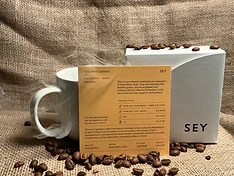
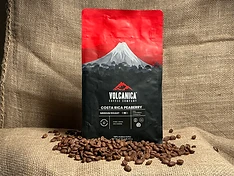
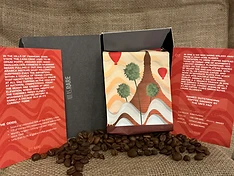
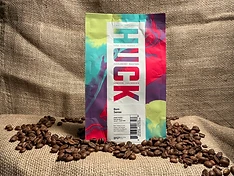
Blend · Component origins documented on the coffee profile where available
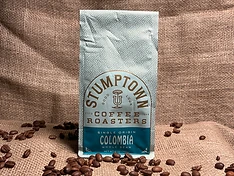
Explore a published story, a documented coffee and a useful explanation. Source-linked outside mentions appear here only when their publication is within 90 days.


Catalog tasting descriptors · not our tasting verdict
Documented coffee profile; an original tasting review has not been verified. Farm and producer identities appear only when supported by sources.
Explore the database →
This source labels its mention “Positive.” Source published Oct 28, 2026. One mention is not an internet-wide consensus.
Home-Barista · Read original source ↗
Explore coffee profile →
Coffee fermented together with fruit — as whole pieces, pulp, or juice. The three forms are different processes with different intensity: fruit-in-the-tank, fruit pulp, or fruit juice each interact with the ferment differently, and producers use them to different ends.
Coffee Innovation →

Copenhagen-based Blackbird Coffee secured €16 million in Series A funding led by henQ. The company plans to expand its connected workplace coffee platform, which currently serves over 3,000 locations in Denmark and Sweden, further into the European market.
This investment signals continued investor interest in tech-enabled, automated coffee solutions for the corporate office sector.



"Single origin" can describe a country, region, cooperative, farm or identifiable lot. It does not automatically prove a named farmer, a particular harvest or better taste. More specific sourcing details are useful, but a label is still a claim to check.
Understand single originCheck only the details you can find on a bag or roaster's product page. The checklist shows disclosure completeness, not proof of origin, coffee quality or ethical sourcing.These are six separate pieces of information, not a mandatory hierarchy.
0 of 6 details disclosed
Next useful question: Which region, farm or cooperative produced this coffee?
This is your own checklist, not a score assigned to any coffee or producer. No answers are stored.
Floral, citrus, berry, chocolate and beyond — explore a color-coded guide to sensory vocabulary. Learn what each descriptor can mean in a cup, without treating a tasting note as proof of origin or processing.
Spin the flavor wheelLearn something new, follow the people behind your cup, or explore by flavor and tags.

There is no single best coffee for everyone. Quality depends on the lot, variety, growing conditions, careful production, roasting and brewing, while taste is personal. We publish the origin and producer where independently documented, identify missing details, and reserve our own scores for coffees we have actually tasted.
Excellent coffees come from many countries, including Colombia, Ethiopia, Kenya, Brazil and Panama. No country has one consistent flavor profile, and a country name alone cannot establish farm-level traceability or quality. Compare individual lots, available provenance and our clearly identified original tasting reviews instead.
Variety, climate, altitude, ripeness, processing, storage, roasting and brewing all influence the cup. Altitude can correlate with certain sensory traits, but it is not a quality guarantee. A known farm is more traceable, not automatically tastier. We separate the roaster's descriptors from our own tasted-and-reviewed observations.
Research on altitude and coffee quality: Avelino et al. (2005)Yes. Every original review declares how we obtained the coffee — purchased by us, provided by the roaster, provided by the producer, or sponsored — and sponsored relationships never automatically determine scores. We never invent internet sentiment, mentions, rankings or quotes.

Specialty coffee has its own language. You shouldn't need a certification to understand what's in your cup.


